Introduction
Understanding Your Needs
Before choosing construction services, it's essential to define your project's scope, budget, and timeline. Are you planning a residential construction project, a commercial development, or an infrastructure project? Understanding your specific needs will help you narrow down your options and find construction services tailored to your requirements.
Streamlining Project Management
One of the primary functions of construction services is project management. Experienced professionals oversee every aspect of the project, from scheduling and budgeting to coordinating labor and resources. This meticulous oversight ensures adherence to timelines and budgets, ultimately leading to successful project completion.
Emphasizing Communication and Collaboration
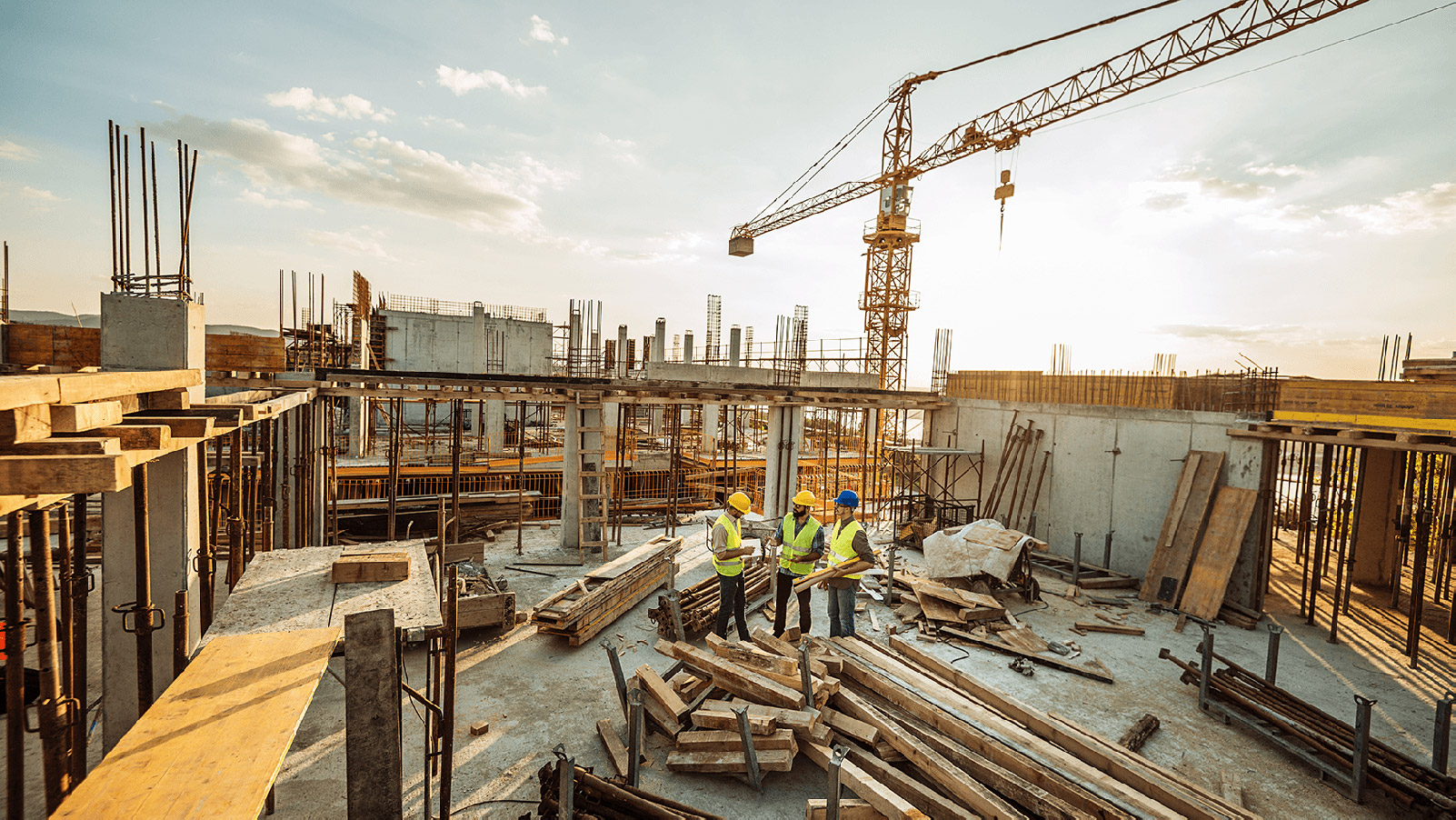
BIM technology has transformed architectural and engineering design processes, enabling professionals to create detailed 3D models that simulate every aspect of a building's construction. These models facilitate better visualization, coordination, and decision-making, leading to more efficient designs and fewer conflicts during the construction phase. Additionally, VR technology allows clients to experience virtual walkthroughs of their projects, providing valuable insights and enhancing stakeholder engagement.
Enhanced Procurement and Logistics
Digital tools have streamlined the procurement process, allowing construction service providers to source materials and equipment more efficiently. Online marketplaces connect buyers with suppliers worldwide, offering a vast array of products at competitive prices. IoT sensors and RFID (Radio-Frequency Identification) technology enable real-time tracking of materials and equipment, optimizing inventory management and minimizing waste.
Meeting Sustainability Goals
In today's environmentally conscious world, sustainability is a key focus of construction services. From eco-friendly get more info building materials to energy-efficient designs, construction service providers prioritize sustainability at every stage of the project. By incorporating green practices and technologies, they help clients reduce their carbon footprint and achieve LEED certification, contributing to a healthier planet.
Conclusion
The digitalization of construction services has revolutionized the way construction projects are planned, designed, and executed. By embracing cutting-edge technologies such as BIM, VR, drones, and IoT, construction service providers are improving project efficiency, enhancing collaboration, and delivering superior outcomes for clients. As the industry continues to evolve, embracing digital innovation will be key to staying competitive and meeting the demands of an increasingly complex and interconnected world.